How to Choose Between 3-Stage and 5-Stage Pretreatment for Powder Coating Plant?
Most buyers spend weeks on the powder coating booth and the curing oven, then hand the washer a two-line spec. That order is backwards. In a powder coating plant, pretreatment sets the corrosion limit of the finished part, and no powder lifts a part above that limit. So three-stage versus five-stage is a performance decision, not an accessory. Settle it before you sign the purchase order.
What Each Stage Actually Does in a Powder Coating Plant
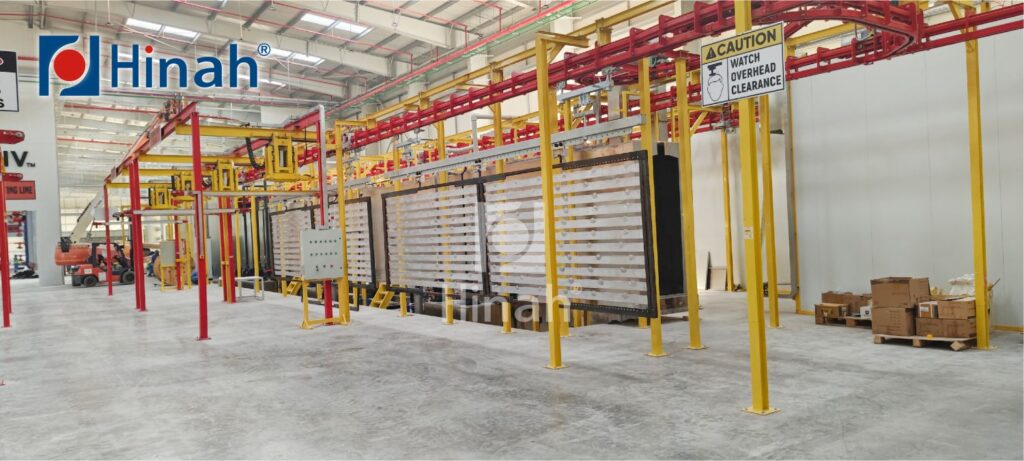
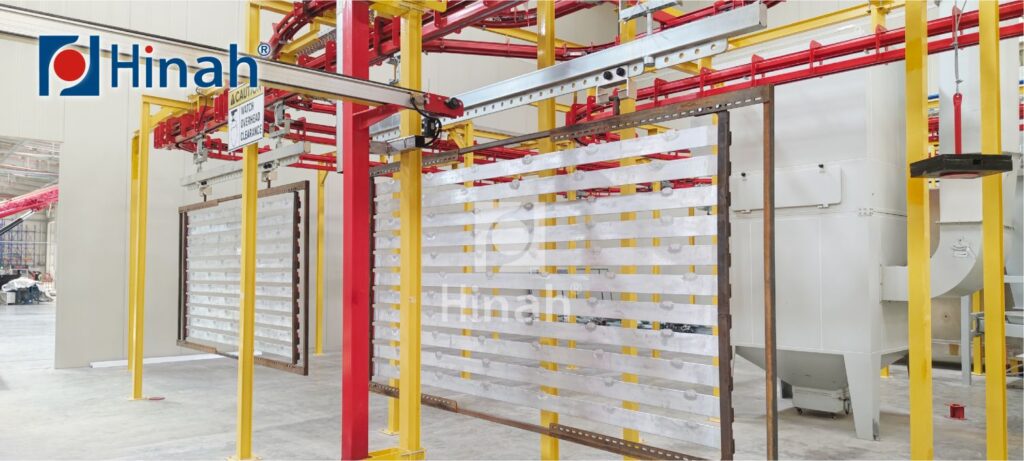
A three-stage washer keeps the process short. One common layout combines cleaning and iron phosphating in the first stage, then adds two rinses. Another runs a cleaner, a rinse, and a phosphate stage. Either way, three baths carry the whole job, so one step always runs short of support.
A five-stage washer separates the jobs. An independent cleaner, usually alkaline, handles the degreasing. A separate iron phosphate stage builds the conversion coating. Extra rinses sit between them, and a final rinse or sealant closes the process.
Rodger Talbert, powder clinic columnist at *Products Finishing*, reports that split stages “definitely enhance performance.” They also deliver “somewhat better corrosion resistance”.
Where the Extra Stages Earn Their Money
Rinsing carries more weight than most buyers expect. The Powder Coating Institute (PCI) points out that the coating “is only as good as the last liquid the part sees.” Contaminated rinses leave salty deposits, and those deposits cut salt spray performance and can damage adhesion.
That gap is the real difference between three and five stages. Two extra rinses strip more cleaner residue, so the powder bonds onto a cleaner, more even surface.
One limit applies to both layouts. Iron phosphate mainly helps adhesion and guards against flash rust. It will not stand up to aggressive corrosive attack, even on a five-stage line.
Match the Stage Count to the Service Environment
Start with the target the part must meet, not with the equipment budget. ISO 12944-5:2019 defines four durability ranges for protective coating systems:
| Durability range | Expected life to first major maintenance |
| Low | up to 7 years |
| Medium | 7–15 years |
| High | 15–25 years |
| Very High | over 25 years |
The same standard sorts environments into corrosivity categories, from C1 (heated indoor space) to C5 (heavy industrial or high-salinity coastal air). So when a customer writes “C4, high durability” into the spec, iron phosphate alone will struggle. That target needs stronger chemistry, and stronger chemistry needs more stages.
When Three Stages Is the Right Answer
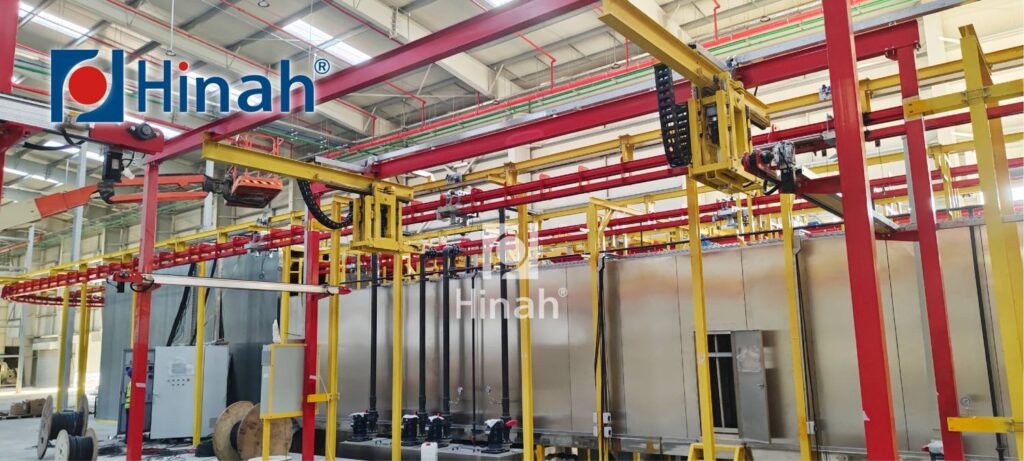
Three stages suit parts that stay indoors under moderate conditions: office furniture, light-duty machine frames, decorative metalwork. PCI describes iron phosphate as the most frequently used pretreatment for powder coating, and it works on almost any substrate.
Two further points support the simpler line. A three-stage system also costs less to build and run, because it uses fewer tanks, less water, and fewer chemicals. And a primer coat under the topcoat carries much of the corrosion load. So a three-stage washer with a two-coat system often beats a five-stage washer with a single coat.
When You Need Five Stages or Different Chemistry
Specify five stages when the part will live outdoors, sit near the coast, or carry a long warranty. Architectural work, galvanized steel, and parts with recessed areas all point the same way.
Watch the chemistry at that point. Zinc phosphate beats iron phosphate on adhesion and corrosion resistance, but it cannot clean and coat at once. It needs its own cleaning stage and an activator before the phosphate bath, which is why those lines run longer. PCI adds a running-cost warning: zinc phosphate uses heavy metals, produces sludge, and costs more to operate.
What to Confirm Before You Approve the Washer on a Powder Coating Plant
– Fix the corrosion target first, and name the test method: ISO 9227 or ASTM B117 salt spray, plus an hours figure.
– Ask your chemical supplier to quote performance for the same chemistry on both layouts. They hold that data.
– Check rinse water quality. Contaminated rinses pull down salt spray results and hurt adhesion.
– Reserve floor space and utilities for the longer line now; retrofitting tanks into a running plant costs far more later.
– Agree who controls bath concentration, temperature, and contact time, and how you will record those values.
In short: write the performance target first, then count stages. If the part stays indoors and the spec is moderate, a three-stage powder coating plant will serve you for years at a lower cost. If the part faces salt, weather, or a ten-year warranty, the fifth stage costs less than one recall. Bring your part drawings, your service environment, and your salt spray target to the table, and the stage count will argue for itself.