Powder Dip Coating Line: Do I Really Need One?
If you are asking this question, you probably already face a coating problem.
Maybe spray coating feels too slow. Maybe your workers spend too much time reworking parts. Or maybe your coating keeps missing corners, edges, and hard-to-reach areas.
So, do you really need a powder dip coating line?
Here is the short answer: you need one if your products have complex shapes, need thick coating, or require high corrosion resistance. If you mainly coat flat panels or decorative parts, spray coating may still work better.
That is the simple answer. But the real decision depends on your products, output, and budget.
When Does Fluidized Bed Coating Line Make Sense?
Not every factory needs a powder dip coating line.
But some products almost feel made for it.
Think about metal parts with lots of corners, bends, or mesh structures. Spray guns often struggle with these shapes. Powder cannot easily reach deep gaps because of the Faraday cage effect.
Dip coating solves that problem.
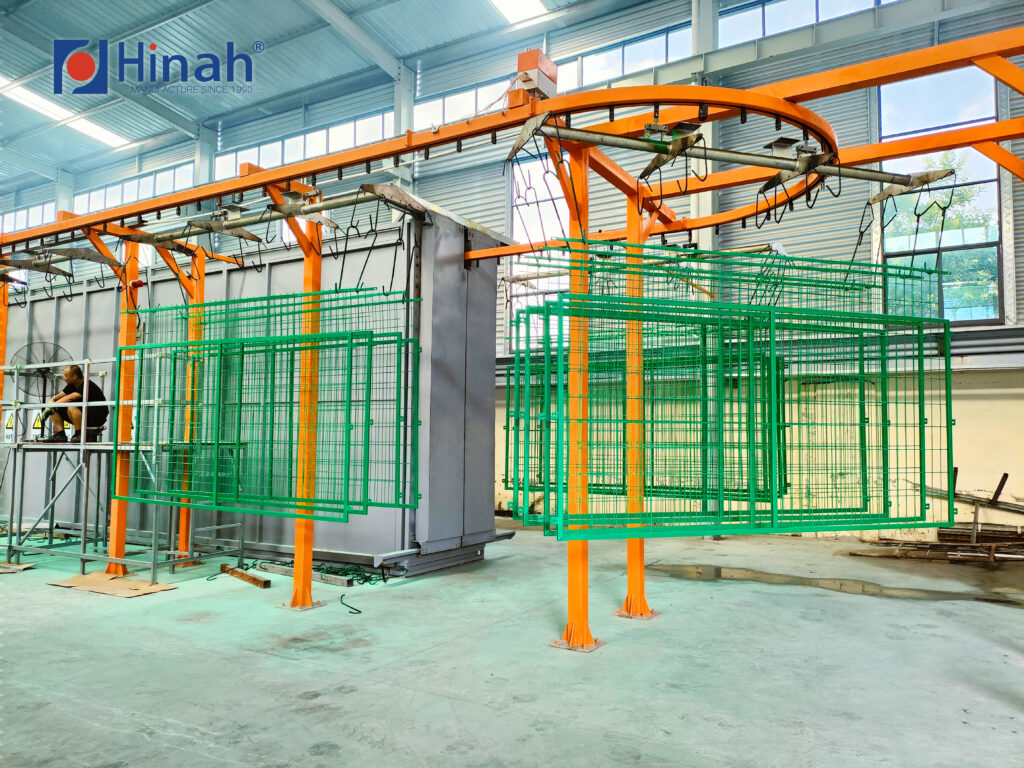
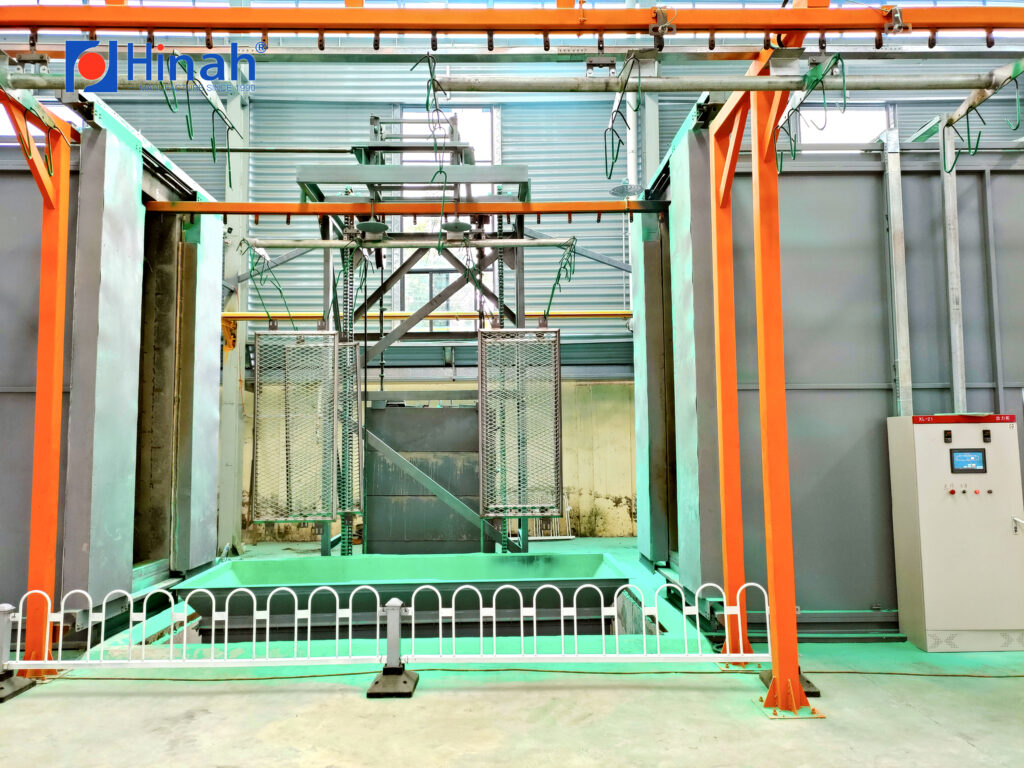
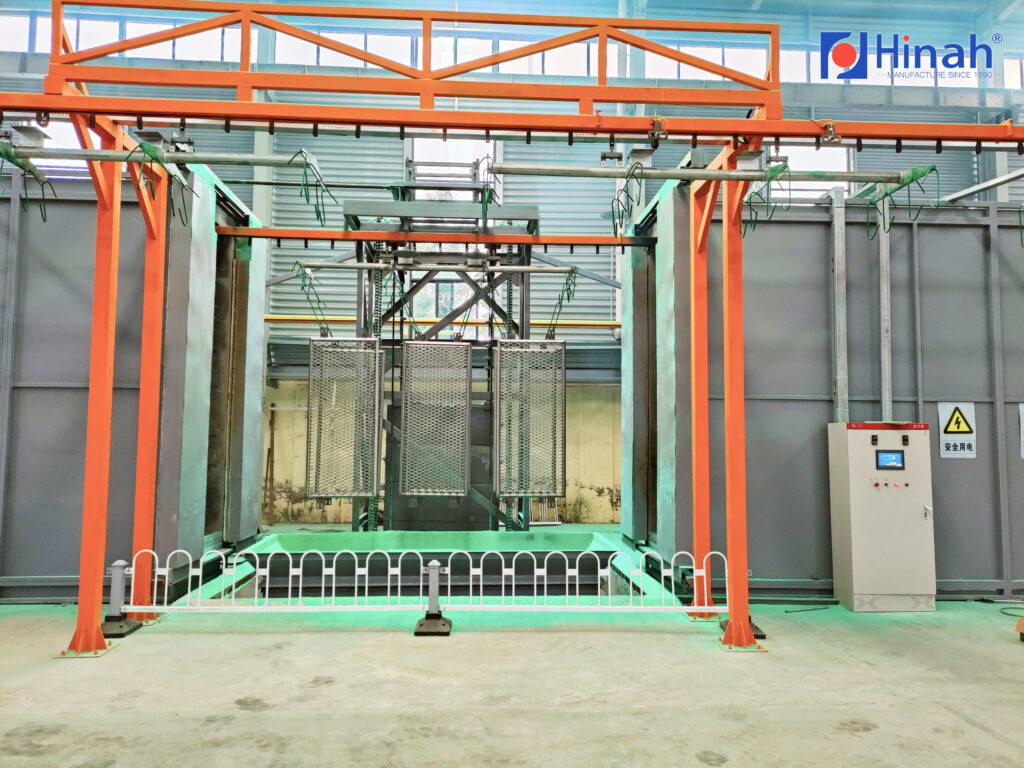
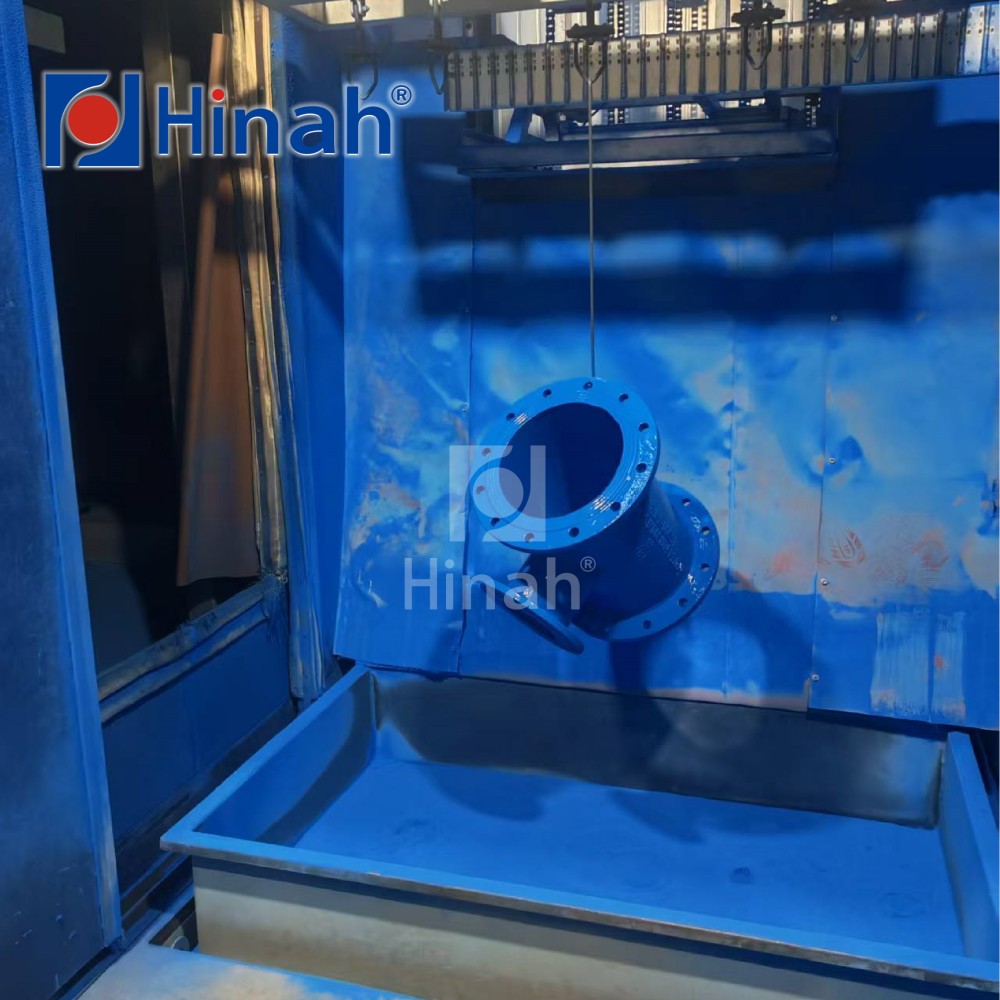
The process is simple. First, you preheat the part. Then you dip it into fluidized powder. The hot surface melts the powder instantly. The coating wraps around the whole part.
That means even hidden areas get coated.
This works especially well for:
- Wire shelves
- Fence panels
- Dishwasher baskets
- Metal racks
- Pipe clamps
- Small hardware parts
If you make products like these, a dip coating line deserves serious attention.
What Problems Can a Powder Dip Coating Line Solve?
Many factory owners start looking at dip coating after running into the same frustrating problems.
The first problem is uneven coating.
Spray coating often leaves thin spots on edges and corners. Those thin spots become rust points later.
The second problem is poor durability.
For example, some industries need thick protective layers. A thin film will not survive outdoor use.
The third problem is labor cost.
Manual spraying takes skill. Good operators are not cheap. Training also takes time.
A powder dip coating line helps with all three.
It creates thicker coating in one pass. At the same time, operators need less manual skill. As a result, coating consistency improves.
Less rework. Less waste. Less headache.
When a Fluidized Bed Coating System May Not Be Right?
Now for the honest part.
Sometimes a powder dip coating line is the wrong choice.
If your product needs a very smooth decorative finish, spray coating usually wins.
Why?
Dip coating often creates thicker films. Thick films protect well, but they may not look as refined as premium spray finishes.
It may also be hard to justify if your production volume is low.
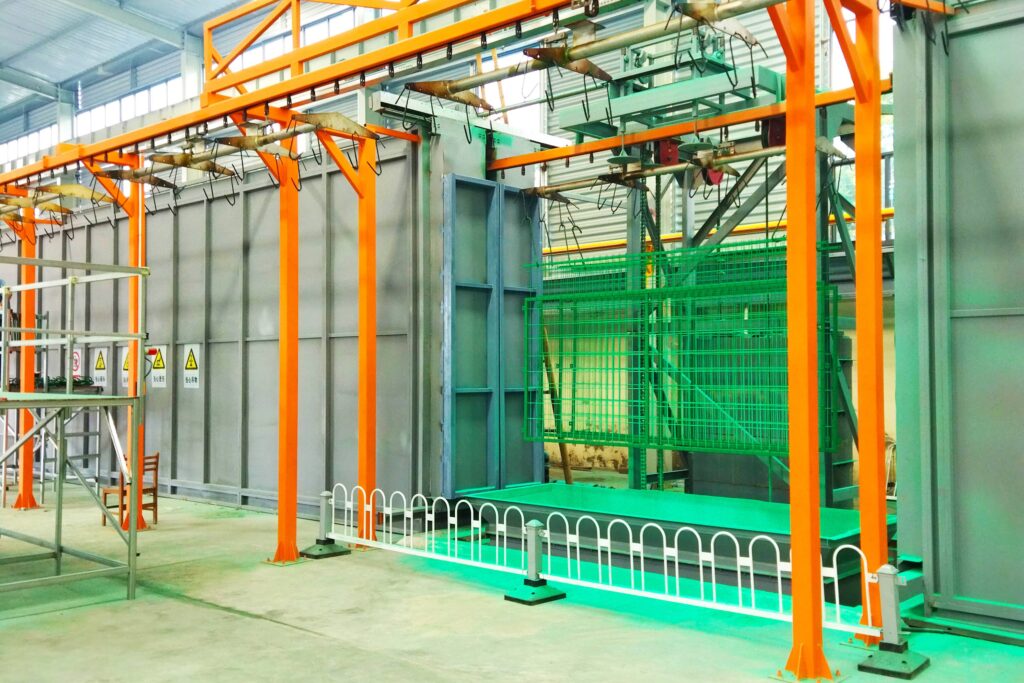
A full line includes:
- Pretreatment
- Preheating oven
- Fluidized bed tank
- Cooling zone
- Conveyor system
That is a real investment.
If you only coat small batches once in a while, the ROI may take too long.
In that case, a manual setup or outsourced coating may make more sense.
How Much Output Do You Need From a Dip Coating Line?
This question matters more than many buyers expect.
Before choosing a powder dip coating line, ask yourself:
How many parts do I need per hour?
Not per day. Per hour.
That changes equipment design.
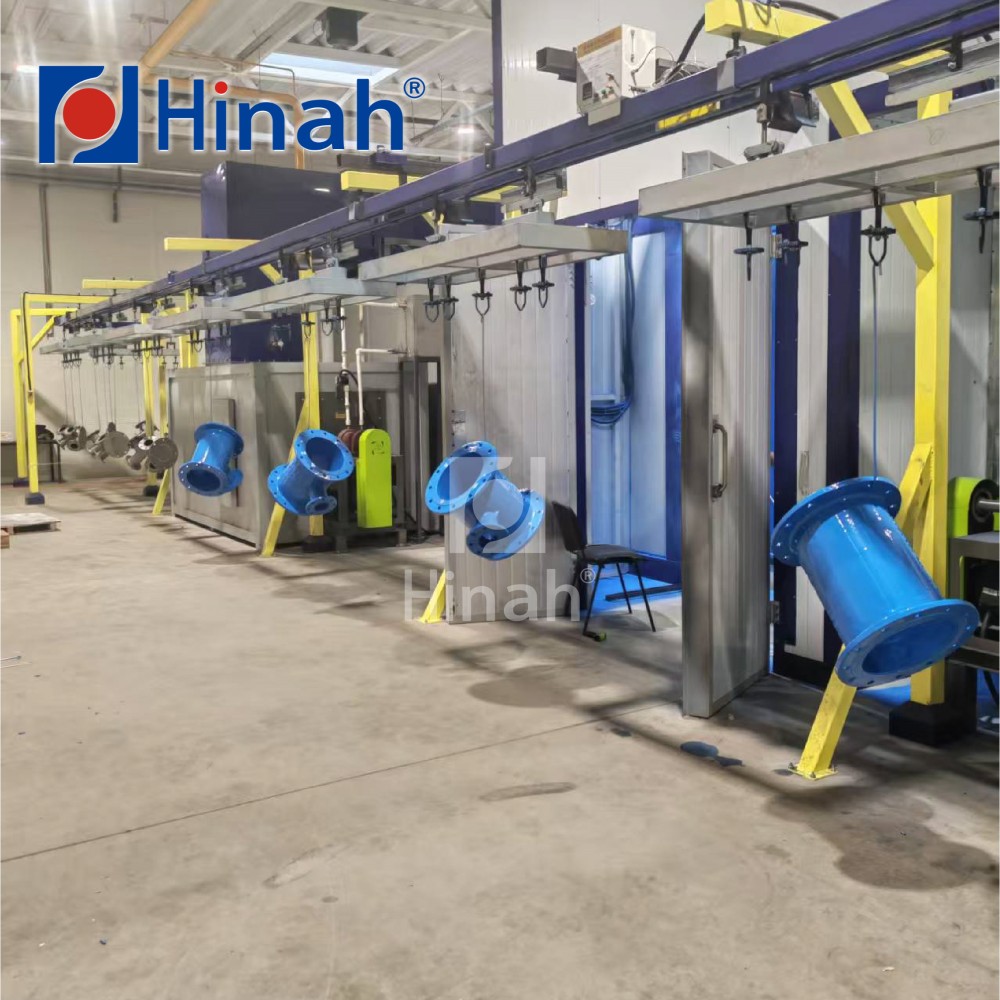
A small manual line may handle a few hundred parts daily.
An automatic line can process thousands.
High output often requires:
- Automatic conveyor transport
- Faster heating
- Better powder recovery
- Stable temperature control
Many buyers overspend because they buy for future growth only.
Growth matters. But oversized equipment burns money too.
Choose capacity based on realistic production.
Not fantasy production.
How to Tell If You Really Need a Dip Coating Line?
Still unsure?
Ask these five questions.
1. Do my parts have complex shapes?
If yes, dip coating helps a lot.
2. Do I need thick protective coating?
If yes, dip coating performs well.
3. Do my products work outdoors?
Outdoor products need stronger corrosion protection.
4. Am I losing money on rework?
High defect rates often justify automation.
5. Is manual coating becoming a bottleneck?
If production slows because of labor, you need a better process.
If you answered “yes” to three or more, a powder dip coating line likely makes sense.
Final Thoughts on Choosing a Powder Dip Coating Line
Buying a coating line is not just about equipment.
It is about solving production pain.
A powder dip coating line is not for every factory. But for the right products, it can transform efficiency and coating quality.
So, do you really need one?
Ask a simpler question.
Are your current coating problems costing you money every day?
If the answer is yes, waiting may cost more than upgrading.
Sometimes the real expense is not buying new equipment.
It is staying with the wrong process.