Why Is Powder Not Recovering Properly in the Powder Coating Booth?
A powder coating booth may fail to recover powder properly because of problems with airflow balance, filter performance, powder accumulation, or incorrect equipment settings. When the recovery system cannot capture overspray effectively, powder loss increases and the coating environment becomes unstable. Finding the exact cause requires checking each part of the booth system step by step.
A well-designed powder coating booth depends on several factors working together. The spray airflow must remain stable, the recovery unit must collect excess powder efficiently, and the filters must maintain proper separation between powder particles and clean air.
Understanding these common issues can help you quickly identify why powder recovery is not working as expected.
How Does a Powder Coating Booth Recover Overspray Powder?
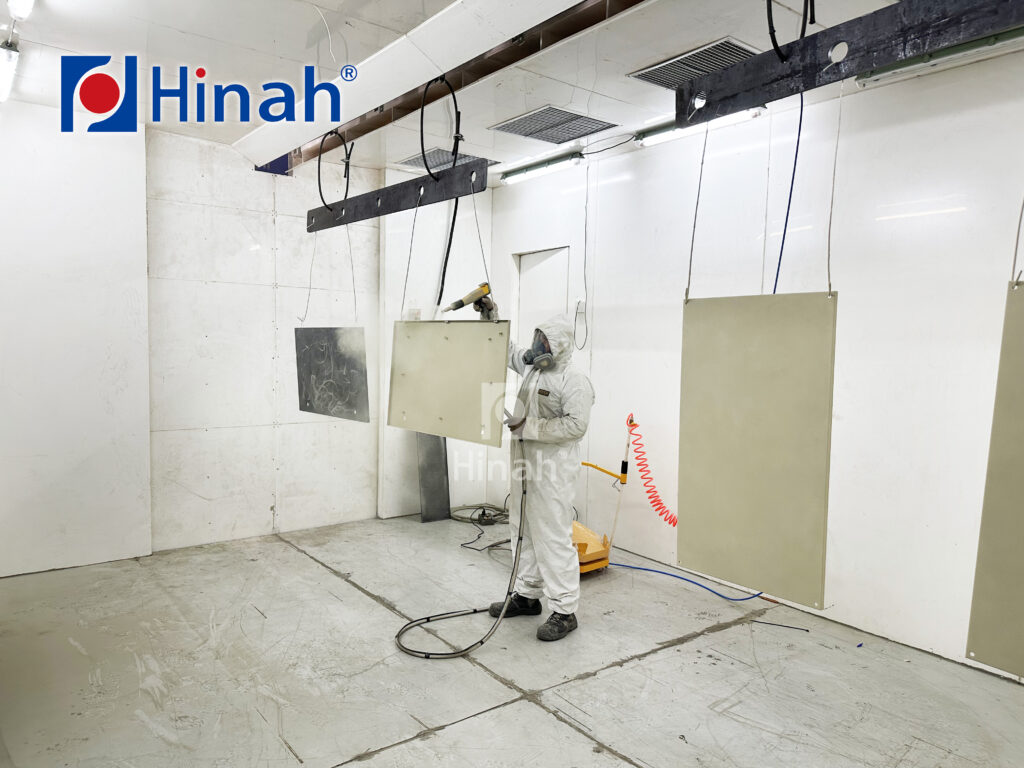
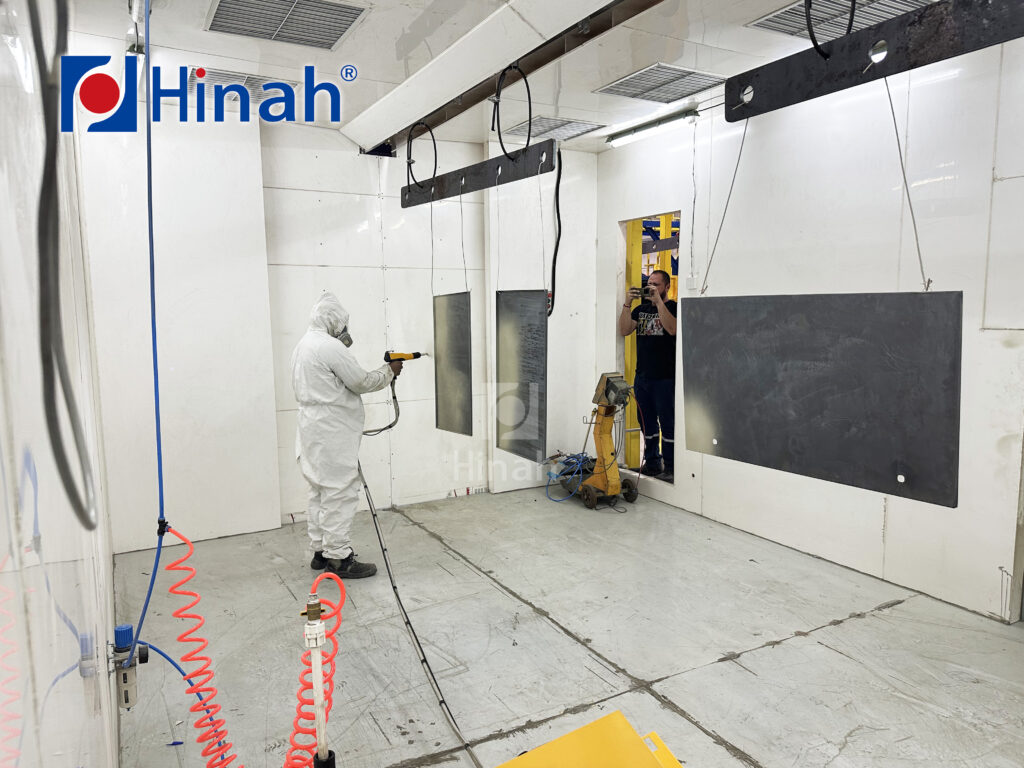
During powder spraying, not all powder particles reach the surface of the workpiece. The extra powder, known as overspray, enters the airflow inside the booth. A recovery system captures these particles and separates reusable powder from dust and impurities.
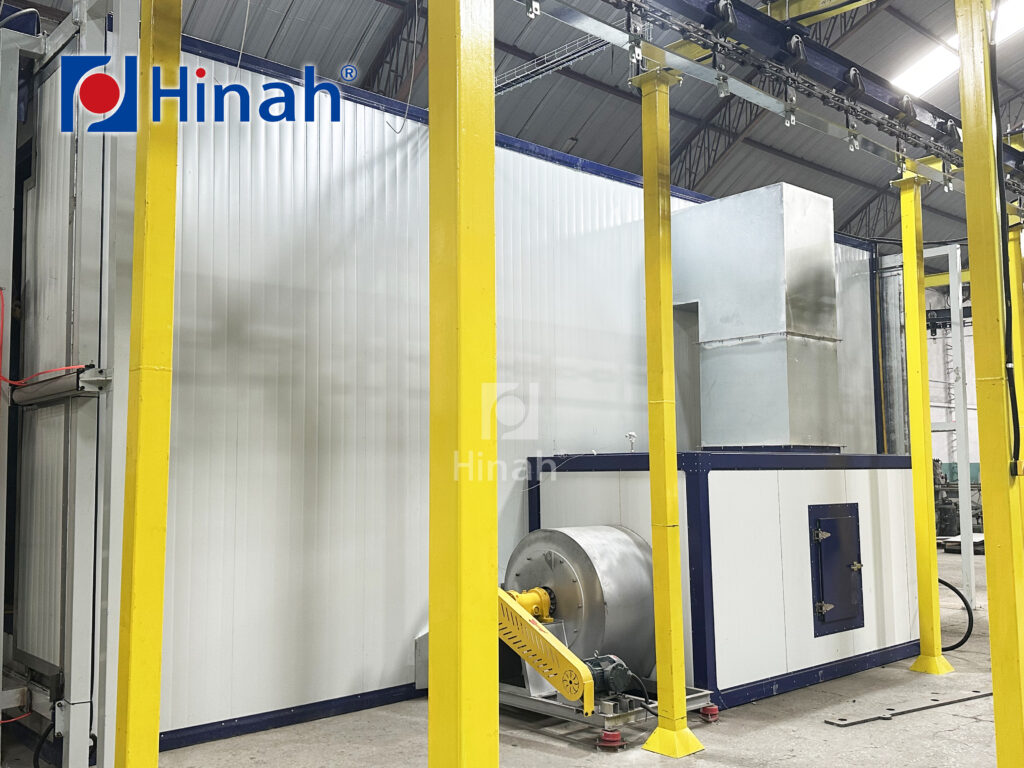
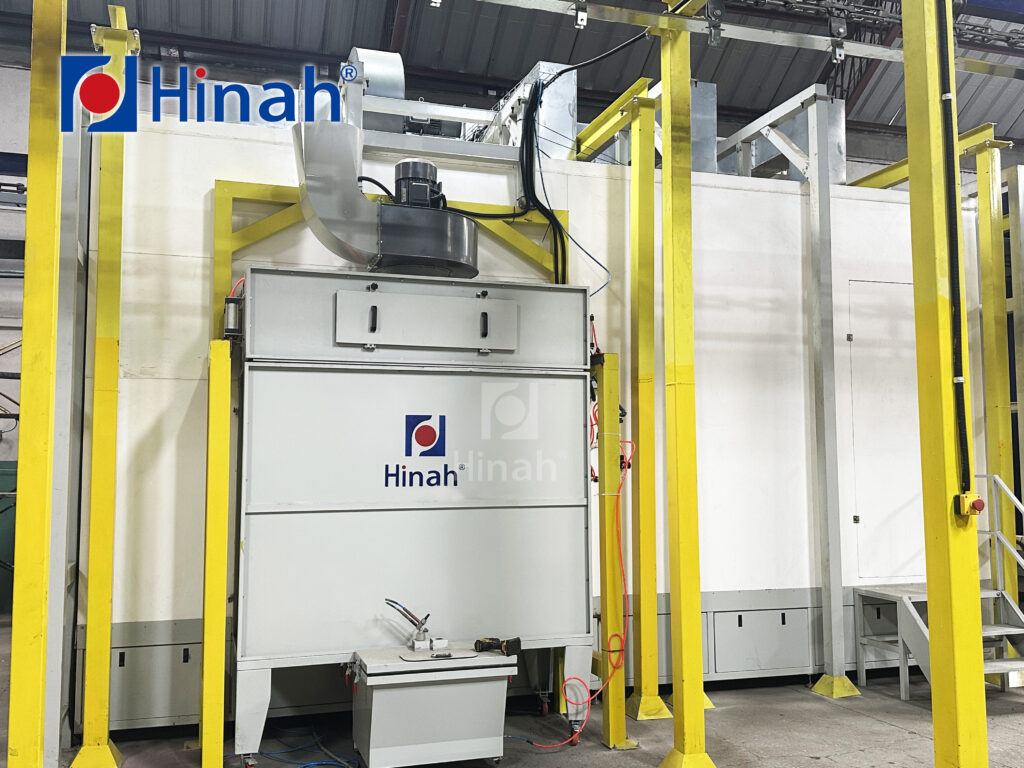
In a typical powder coating booth, the airflow moves overspray toward the recovery section. Cartridge filters or cyclone systems then separate powder particles from the air stream. The recovered powder can return to the spraying process after proper screening and preparation.
If the airflow changes or the filtration system cannot handle the powder volume, recovery performance will drop. Therefore, powder recovery is not only related to the recovery unit itself. The entire booth design and operating condition also affect the result.
Is Poor Airflow the Main Reason for Powder Recovery Problems?
In many cases, unstable airflow is one of the main reasons behind poor powder recovery.
A spray booth needs balanced airflow to guide overspray toward the recovery system. If the airflow is too weak, powder may escape from the booth or settle on internal surfaces. If the airflow is too strong, it may disturb the powder spray pattern and reduce transfer performance.
Several factors can affect airflow:
- Blocked or dirty filters
- Incorrect fan settings
- Excessive powder accumulation inside the booth
- Damaged air ducts or seals
Regular inspection of airflow conditions can help maintain stable powder movement inside the booth.
What Filter Problems Can Affect a Powder Coating Booth?
Filters play an important role in separating powder particles from the air. When filters become blocked, the airflow resistance increases. As a result, the recovery system cannot collect powder efficiently.
Common filter-related problems include:
- Filters reaching their service limit
- Incorrect cleaning frequency
- Damaged filter cartridges
- Powder buildup around the filter area
A cartridge filter system usually requires regular cleaning cycles to remove collected powder. However, frequent cleaning alone cannot solve every issue. If the filter material is damaged or unsuitable for the powder type, recovery performance may still remain poor.
Checking pressure differences across the filter system is a practical way to understand whether the filters are working correctly.
Why Does Powder Accumulate Inside the Powder Coating Booth?
Powder accumulation inside the booth is another common sign of recovery problems.
A small amount of powder residue is normal during spraying. However, large amounts of powder collecting on booth walls, floors, or corners usually indicate that airflow or recovery efficiency needs attention.
Possible causes include:
- Low suction strength
- Incorrect booth airflow design
- Improper spray gun settings
- Too much powder output from spray equipment
When powder stays inside the booth for a long time, it can affect color change efficiency and create a less stable spraying environment.
Can Coat Gun Settings Affect Powder Recovery?
Yes. Although the spray gun is not part of the recovery unit, its settings directly influence how much powder enters the recovery system.
If the powder output is too high, more overspray will be created. If the electrostatic charging effect is not suitable, more powder may fail to attach to the workpiece surface.
Operators should check:
- Powder flow rate
- Air pressure settings
- Voltage settings
- Distance between the gun and workpiece
A correct balance between these settings helps reduce unnecessary overspray and improves the overall performance of the powder coating process.
How Can I Improve Powder Recovery in My Powder Coating Booth?
Improving recovery performance requires checking the complete spraying system rather than replacing one single part.
Useful steps include:
- Inspect the filter condition regularly
- Keep airflow within the recommended range
- Remove excessive powder buildup inside the booth
- Check spray gun settings according to the powder type
- Maintain the recovery system according to operating requirements
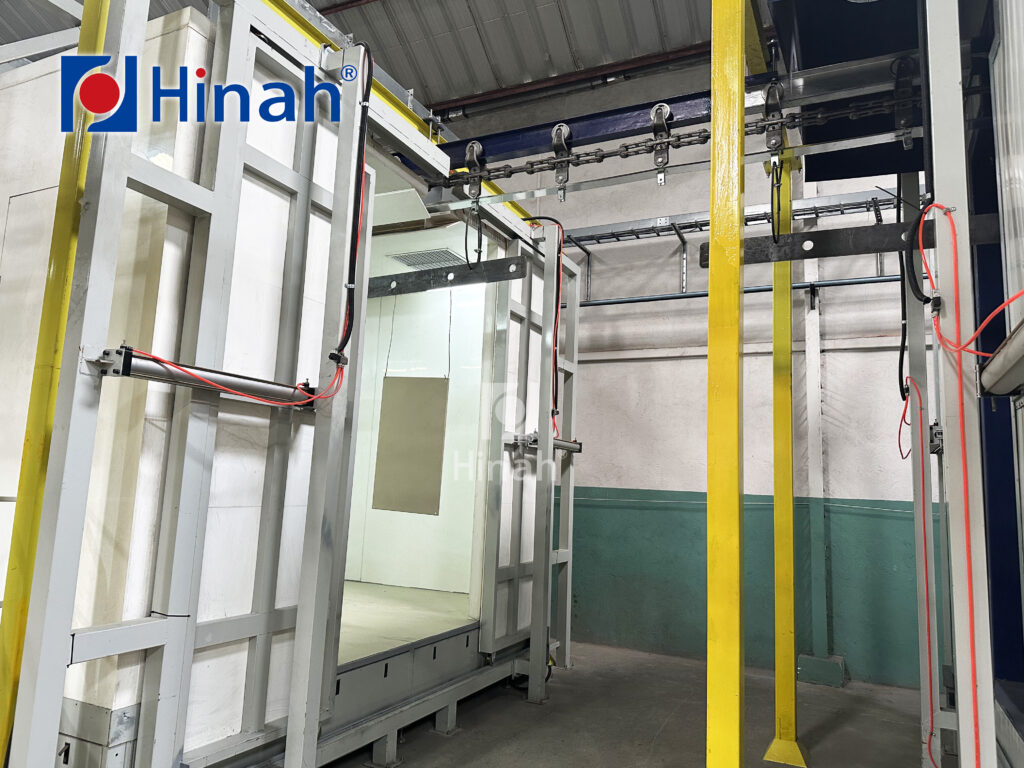
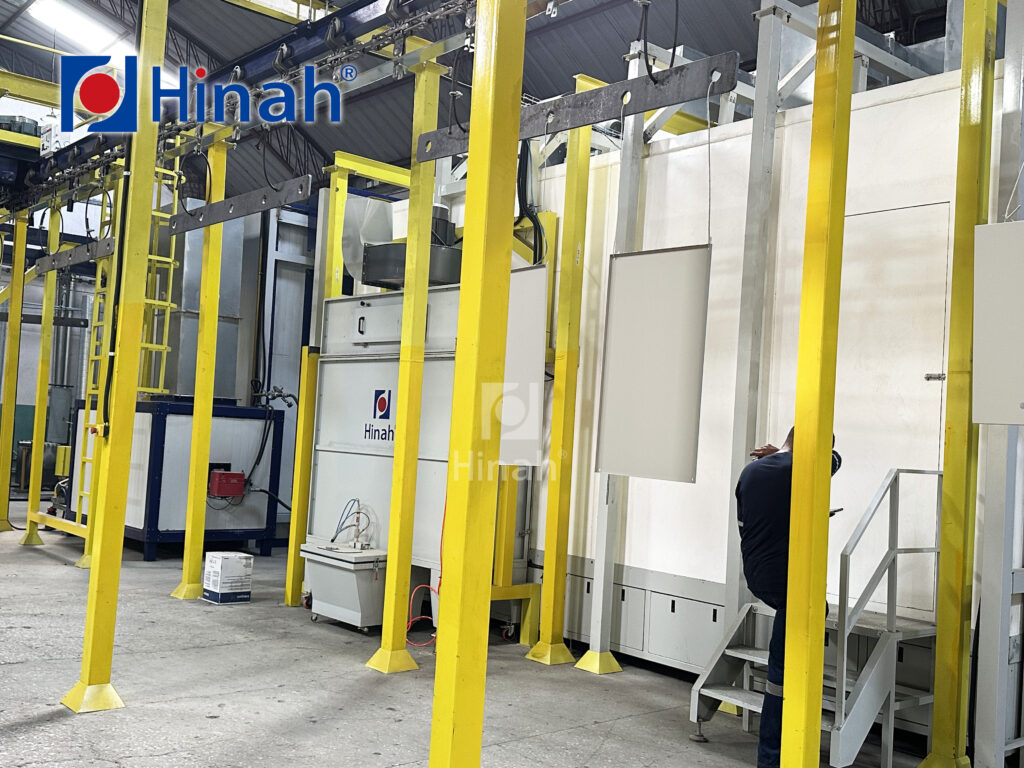
For automatic powder coating lines, stable communication between the booth, spray equipment, conveyor, and recovery system is especially important. Each part affects the final spraying result.
Conclusion
When powder is not recovering properly in a powder coating booth, the problem usually comes from airflow, filtration, powder accumulation, or incorrect spray settings. A recovery system can only work effectively when every part of the booth operates together.
By checking these key areas regularly, you can maintain better powder collection performance and create a more stable coating process. Instead of focusing on one component, it is better to evaluate the entire booth system and find the real reason behind the recovery issue.